By deploying a smart dining assistant like Chocochip.ai, a restaurant achieves more than just error reduction. It transforms these five common goof-ups into five seamless moments of high-precision service, freeing the staff to focus on genuine guest engagement.

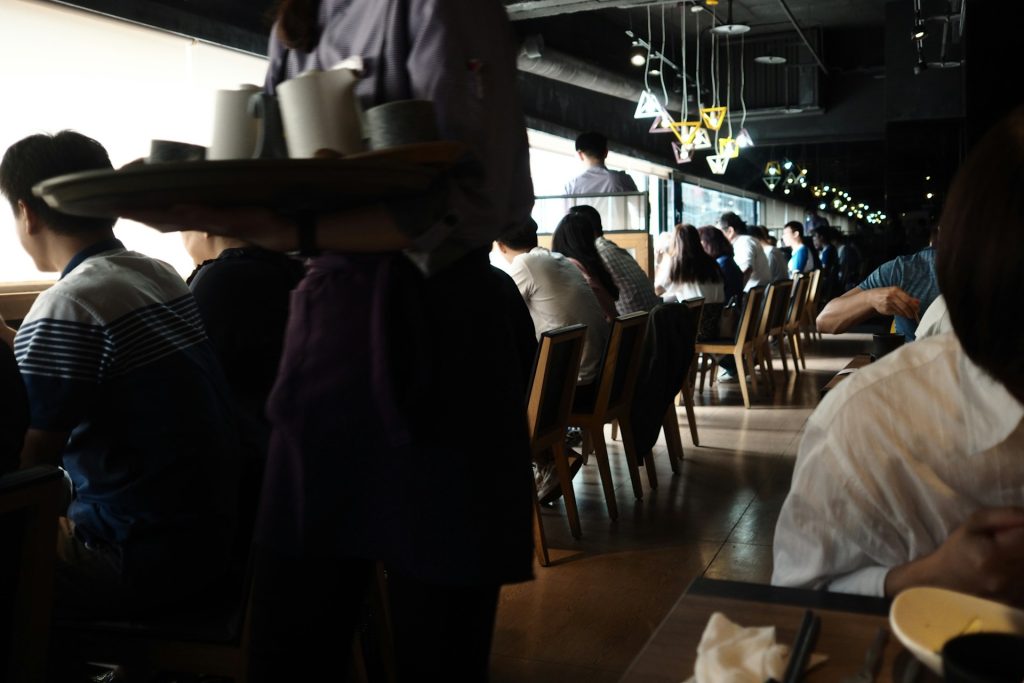
We’ve all experienced it: the anticipation of a wonderful dining experience suddenly collapsing into frustration due to a simple mix-up. In the bustling, often chaotic, and always high-stress environment of a busy restaurant, human error is not just inevitable—it’s an operational liability. These common “goof-ups” are far more than mere service hiccups; they represent critical vulnerabilities that directly impact customer satisfaction, profit margins, and, most critically, health and safety. The AI solution we’ve built at Chocochip is specifically engineered to eliminate these points of failure, transforming erratic service into a model of high-precision hospitality.
The goal is not to automate the smile or the friendly recommendation; it’s to automate the tedious, high-risk, and easily forgotten tasks that stress out staff and disappoint guests. By understanding the true consequence of these errors, we can appreciate the necessity of an intelligent dining assistant.
Why restaurant errors demand an AI solution
The operational errors that plague the restaurant industry fall into distinct, recurring categories. They range from safety-critical omissions to revenue-draining inefficiencies.
1. The allergy alert omission: A critical failure of memory
The Error
This is, without question, the most critical and high-risk error in a dining establishment. A server, potentially flustered during the peak dinner rush with four tables waiting, might simply forget to input a crucial “no peanuts” note or mistakenly confirm a dish as gluten-free when the recipe or preparation process involves contamination. This error is not a malicious act; it is a failure of human memory and information relay under duress.
The consequence of this lapse is catastrophic. Beyond a disappointed customer, it risks an emergency medical situation, including anaphylaxis. The legal and reputational damage from such an incident is immense, far outweighing the cost of any single meal. It instantly erodes trust and exposes the restaurant to serious liability. The root cause is clear: we rely on a person’s fallible short-term memory to handle life-or-death data.
The AI Fix: Infallible Safety Protocol
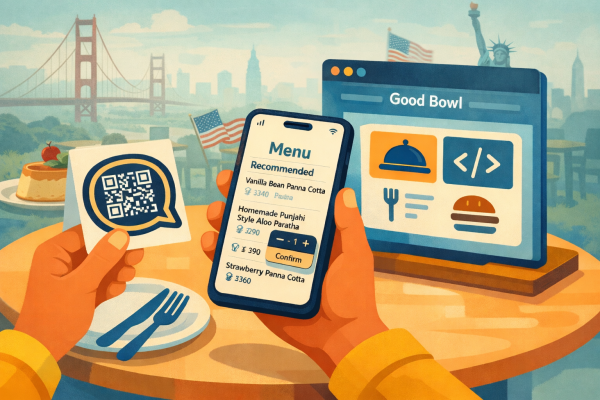
Chocochip’s dining assistant rebuilds the safety protocol entirely. It requires the customer to input and confirm any allergies or dietary needs upfront—often before they even begin browsing the menu.
- Systematic Filtering: The AI instantly and automatically filters the entire menu, displaying only safe items.
- Preventative Flagging: It doesn’t just filter; it uses a comprehensive ingredient database to flag any potential cross-contamination warnings based on the kitchen’s stated preparation methods.
2. The missing or confused special request
The Error
Beyond allergies, numerous minor customizations make up the dining experience: “dressing on the side,” “extra crispy bacon,” or “hold the onions.” A server juggles these non-standard requests mentally, scribbles them quickly on a ticket, and then tries to translate them accurately into the point-of-sale (POS) system. The resulting order sent to the kitchen often becomes garbled, incomplete, or misplaced, leading to the wrong food being made.
The cost here is primarily operational inefficiency and waste. When a plate has to be remade, it takes up valuable time from a busy kitchen line, wastes ingredients, and delays the entire table’s service. A delayed or incorrect meal translates directly into a customer who is less likely to leave a positive review or return. It creates unnecessary friction between the front-of-house and back-of-house staff.
The AI Fix: Precision Customization
The AI dining assistant captures every nuance directly from the customer’s input. The customer types, selects, or speaks their request: “I would like the burger cooked medium-well with the blue cheese dressing swapped for ranch, and a side of sweet potato fries instead of regular.”
- Structured Data Capture: The AI interprets this request and translates it into structured data that can be shared with the wait staff. This means clear instructions like “SWAP: Blue Cheese \Ranch,” and “UPGRADE: Fries/ Sweet Potato,” not a scribbled note.
- Real-time Costing: Furthermore, the AI can automatically calculate the minor upcharge for that sweet potato fry upgrade, adding it to the bill instantly and transparently, ensuring correct revenue tracking and eliminating end-of-meal payment surprises.
3. The uninformed, weak upsell: A missed revenue opportunity
The Error
The upsell is a core driver of restaurant profitability, often accounting for a significant percentage of the average check total. However, the generic upselling attempt—such as asking every table, “Can I get you an appetizer?”—is an error of missed opportunity. An overworked server, whose primary focus is speed and accuracy, cannot realistically be expected to know which of the 15 wines perfectly complements the customer’s specific main course, let alone recall the cellar’s high-margin bottles.
A poor upsell feels pushy and annoying. A missed upsell leaves potential profit on the table. The cumulative effect of these missed opportunities across hundreds of tables per week results in tens of thousands of dollars in lost revenue annually.
The AI Fix: Data-Driven, Strategic Recommendation
The AI assistant acts as a tireless, data-expert sommelier and concierge. It leverages robust data analysis to suggest an upsell that feels like thoughtful, personalized service, not a sales pitch.
- Contextual Pairing Logic: The system analyzes the guest’s current order (e.g., a Ribeye steak and a side of Brussels sprouts), menu pairing logic (which wines pair well with red meat), and even their past purchase history (do they typically order dessert?).
- High-Margin Guidance: It recommends a strategic, high-margin item. Instead of a generic question, the suggestion is precise: “Based on your lamb selection, I’d recommend this high-margin Zinfandel that’s currently on special and pairs perfectly with the herb crust.” This precise, data-driven recommendation increases the check average far more reliably and without the customer feeling pressured.
4. The "sold out" disappointment: An inventory communication failure
The Error
Few moments are more deflating for a customer than ordering a highly anticipated item only to be told five minutes later that the kitchen is out. This error is a classic breakdown of internal communication and inventory management. The server takes the order for the special of the day, unaware that the last portion was just served to a different table.
This creates a high-friction moment. It forces the customer to restart their decision process—a frustrating experience when they are already hungry—and it requires the server to return to the kitchen, find a manager, and then return to the table, wasting precious time and energy. It’s a fundamental failure to maintain an accurate menu.
The AI Fix: Real-Time, Dynamic Menu Accuracy
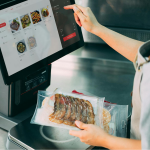
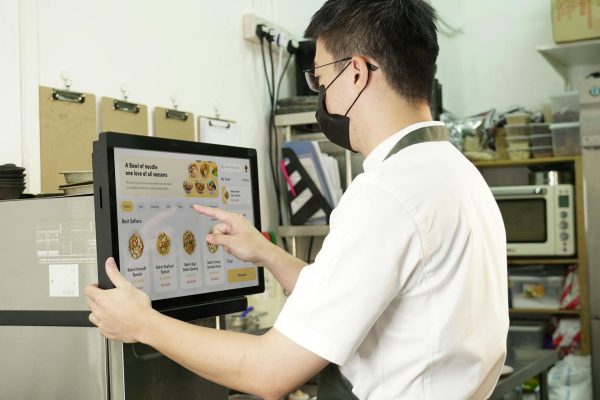
Chocochip.ai’s system has a seamless updatation feature. Update on the go! This is where true operational efficiency shines.
- Dynamic Updates: For items with component ingredients, the system can be updated in real time with an easy dashboard. If a dish uses a specific cheese, once the inventory of that cheese hits zero, all dependent dishes can be temporarily delisted. This ensures the menu is always a perfect reflection of what the kitchen can actually produce, preventing customer disappointment and streamlining the entire ordering process to one step.
5. The bill settling nightmare
The Error
The end of the meal should be a moment of satisfied conclusion. Instead, it often devolves into a stressful algebraic equation at the table. Guests are trying to remember who had which drink, which appetizer they shared, and then calculating tax and tip. The server is burdened with four credit cards and complex instructions: “Put half the apps on this card, all the wine on this card, and split the entrees evenly between the other two.”
This slow, manual process significantly delays table turnover, which is the single biggest impediment to a busy restaurant’s profitability. Furthermore, manual calculations under pressure frequently lead to errors in charging and over- or under-tipping, resulting in customer service issues after they leave.
The AI Fix: Self-Service, Precision Payment
The AI dining assistant turns the billing process into a self-service, high-accuracy task.
- Item-Level Splitting: Guests access the digital check on their own devices. They can select exactly which items they ordered and allocate them to their bill.
- Instant Closure: The payment is completed digitally, eliminating the server’s bottleneck of handling multiple cards. The table closes out faster, the payment is accurate, and the server can focus on their next task, drastically improving table turnover time and overall operational flow.
The smart takeaway: Elevating hospitality through precision
The mission of Chocochip in the dining sector is not a cold-hearted move toward automation. It is a strategic effort to remove the fallibility of human memory and the slowness of manual processes from the equation.
The core of great hospitality—the warmth, the knowledgeable conversation, the thoughtful check-in—is a human skill that cannot be replaced. But the tasks that detract from that hospitality—the rushed order taking, the frantic allergy double-check, the laborious bill splitting—can and should be handled by a sophisticated system.
By deploying a smart dining assistant like Chocochip, a restaurant achieves more than just error reduction. It transforms these five common goof-ups into five seamless moments of high-precision service, freeing the staff to focus on genuine guest engagement. This results in greater operational control, significant improvements in profitability, and a measurably higher customer satisfaction rating, every single time. It is the future of service: AI handling the data, humans delivering the experience.
Wondering how to keep up with allergy concerns, increase your check average, and speed up table turnover without hiring more staff? Chocochip.ai can help!
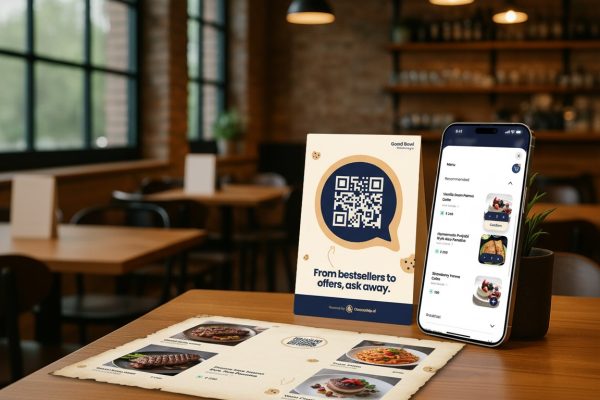
Try Chocochip Smart QR Menu
Transform your static PDF or paper menu into an interactive digital experience. Real-time updates, instant recommendations, and staff nudges, all set up faster than brewing a pot of coffee.