Instead of guessing, the AI delivers a data-backed action plan. It turns the messy art of menu management into a precise science.


Let’s pull back the curtain on the silent struggles of your business. You know the drill: you’re passionate, you’re exhausted, and you rely on your daily and weekly sales reports to tell you if you’re winning. Those spreadsheets—with their columns of unit sales and gross revenue—feel like the undeniable truth, the definitive score.
But here’s the critical, often uncomfortable reality: Your traditional sales report is blind.
It’s an accounting tool, not an intelligence system. It records the transaction, but it cannot record the confusion, the yearning, the mental debate, or the quiet frustration that led to that final order. It tells you what happened, but it hides the why and, crucially, the massive potential of what didn’t happen.
Relying solely on this data means you are inevitably leaving money on the table—money that belongs in your bank account, not in lost opportunities.
This is where the power of modern Artificial Intelligence, specifically the Menu Intelligence Agent found in systems like Chocochip.ai, changes everything. It acts as your Menu Profit Auditor, connecting cold financial data with the warm, messy data of human psychology. It catches three crucial signals that your paper reports and even your most attentive staff simply cannot perceive.
1. The unspoken menu item
Every busy waiter knows the routine: a customer asks about a special dietary need—keto, nightshade-free, oat milk—and if the kitchen can’t easily accommodate it, the conversation ends. The customer quickly settles for the simplest, safest, and usually least profitable item on your menu, like a side salad or a simple appetizer.
Your POS system records a successful sale of that salad, giving you a false sense of security.
The waiter’s filter
A waiter is focused on closing the order and serving their tables efficiently. They process the customer’s request for a substitute, register the impossibility, and move immediately to the alternative order. They do not have the bandwidth, or the system, to log that unfulfilled desire. A dozen different customers asking a dozen different waiters for “a craft cocktail with mezcal” over a month never registers as a trend – it’s just twelve separate moments of inconvenience.
AI’s insight
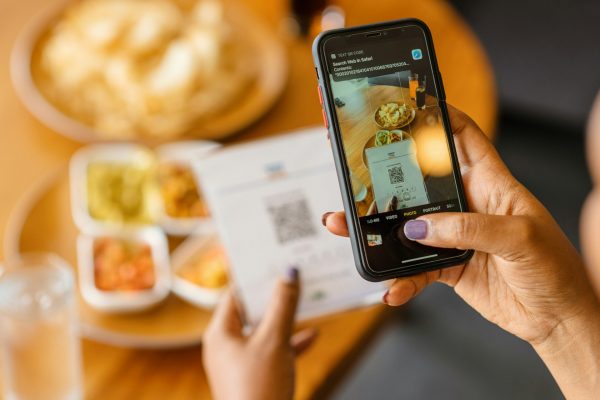
Chocochip’s Guest Agent captures these interactions through its QR-code chat. The customer feels comfortable asking the AI exactly what they want. The Menu Intelligence Agent then performs analysis on thousands of these conversations. It doesn’t just count words; it understands intent.
The system aggregates the unfulfilled desires and flags the trend: Customers asked for a ‘keto-friendly side dish’ 450 times this month, resulting in low-margin salad sales. This is a massive Silent Demand. You must create a high-profit, keto-friendly roasted vegetable side and charge a premium for it.
The AI turns guesswork into a proven product development blueprint, telling you exactly which new, high-margin items to invest in. You stop betting on trends and start fulfilling an existing, quantifiable customer hunger.
2. The high-profit puzzle
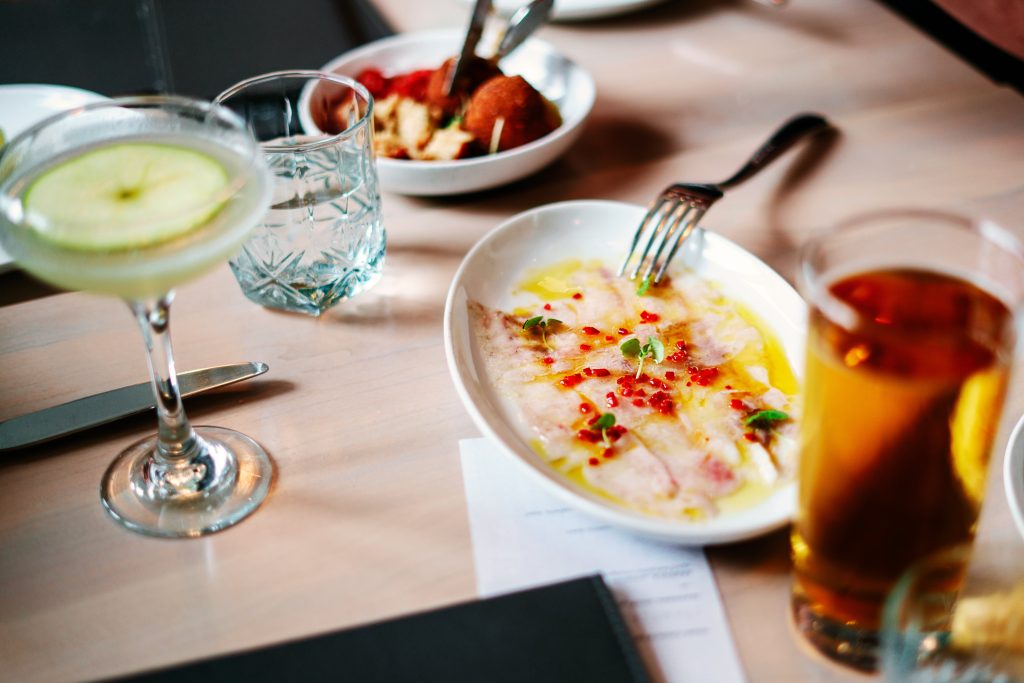
We all have that dish: it has expensive, high-quality ingredients, excellent preparation time, and when you crunch the numbers, you realize it has a fantastic profit margin. It’s a financial powerhouse, yet it sits stubbornly low on your sales list. This is your Puzzle Dish.
Your human reaction is usually: “The price must be too high,” or “My customers don’t appreciate the flavor profile.” You contemplate cutting the price and devastating your profit margin.
The perception gap
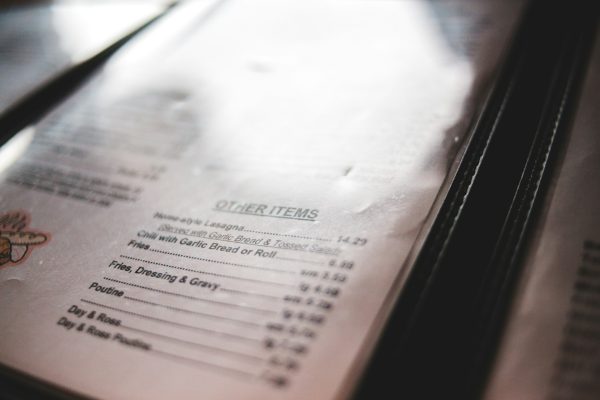
Owners often confuse taste or price with perception and visibility. Your paper menu is a static, one-dimensional document. You have no data to link the dish’s low sales directly to its placement (is it in the bottom corner?) or its textual description (is the font bland?).
You miss the fact that customers, browsing quickly, skip over a poorly described, high-profit item to pick a high-selling item that uses better language.
Textual and gaze analysis
The AI links the dish’s strong financial data (the high-profit margin) with its weak psychological data (low sales).
- Menu language audit: The AI compares the textual description of the Puzzle Dish against your most popular items. It finds the high sellers are packed with evocative, sensory keywords (crispy, smoky, rich, hand-rolled). The Puzzle Dish, meanwhile, is simply ‘Pan-Seared Duck.’
- Anchoring guidance: The AI advises you on optimal placement—strategically placing the dish next to a much higher-priced item (the “anchor”) to make the Puzzle Dish look like a phenomenal value proposition.
By auditing the text and placement, the AI solves the Puzzle without sacrificing a single penny of your margin.
3. The dish that burns loyalty
Every restaurant has its most popular dish—the one that sells more than everything else combined. It makes you feel successful. However, if this dish is popular but low-margin (a Plow Horse), you might be stuck on the Treadmill Effect.
You’re running furiously just to break even, and that volume might actually be harming your long-term viability.
The volume trap
Managers celebrate volume metrics (total units sold) but neglect value metrics (profit per hour or Customer Lifetime Value, or CLV). They fail to see the two hidden costs of the Treadmill Dish:
- Operational Stress: The sheer volume of the low-margin item might be complex to prep, leading to kitchen bottlenecks, stressed staff, and long wait times that drag down the quality of the dining experience for all customers.
- Loyalty Erosion: They miss who is ordering the dish. The high sales might be driven by low-value, one-time visitors seeking a cheap meal, while your most valuable, loyal regulars—the core of your business—actively avoid it.
Linking sales to loyalty
This signal requires linking three disparate datasets, something only AI can do seamlessly: sales volume, profit margin, and Customer Loyalty Data (from your POS/CRM).
The AI discovers: ‘The Big Brunch Burger is your #1 seller, but it has the lowest profit margin, and 85% of customers who order it never return.’ It identifies that this high-volume dish is causing customer churn. By prioritizing volume, you are alienating your core loyal customers who value quality and efficient service.
The AI’s solution is strategic: It directs the Waiter Assist Agent to tactfully steer staff away from promoting the low-margin burger and towards a high-margin alternative. This sacrifices short-term volume but dramatically increases profit per guest and improves operational efficiency, ensuring your kitchen and staff are focused on serving the customers who truly drive your long-term success.
The new era of menu engineering means moving past guesswork. By utilizing AI to decode the Silent Demand, solve the Pessimist Dish puzzle, and break the costly Treadmill Effect, you move from being a manager who reacts to the past to an owner who is proactively engineering a genuinely intelligent and highly profitable future.
Try Chocochip Smart QR Menu
Transform your static PDF or paper menu into an interactive digital experience. Real-time updates, instant recommendations, and staff nudges, all set up faster than brewing a pot of coffee.