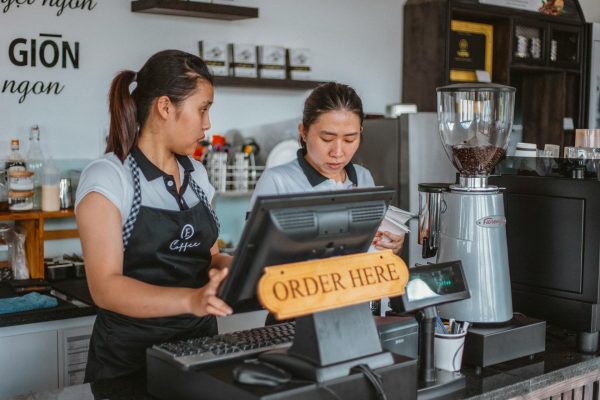
Customers often order the wrong dishes when ordering takeaways or online because they lack waiter guidance. Learn why this happens and how restaurants can use smart menus and AI recommendations to help customers choose better.

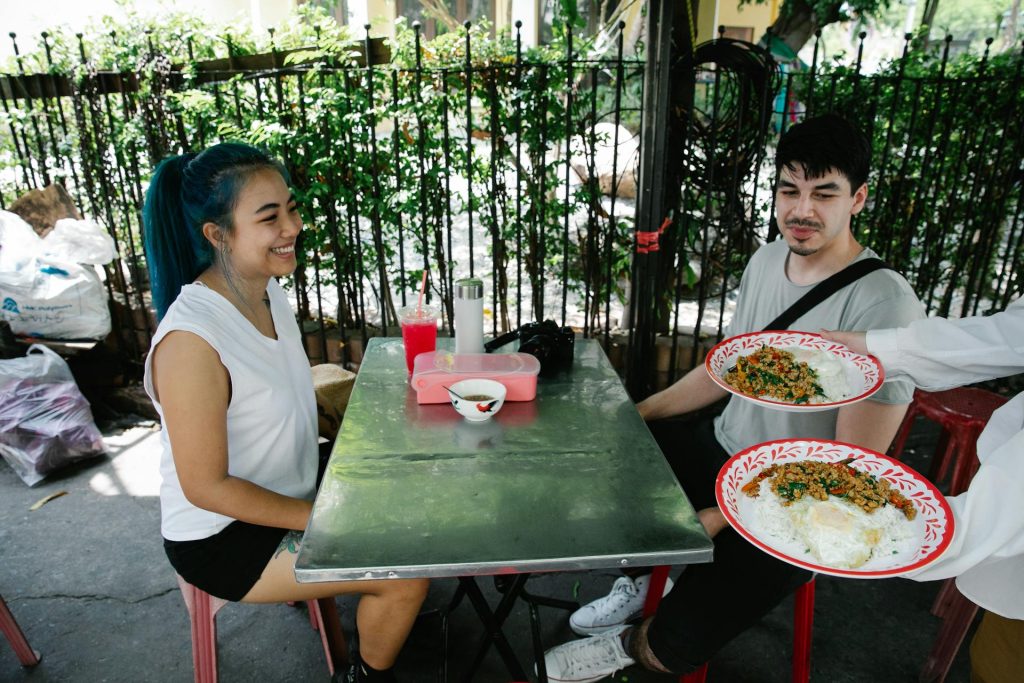
According to the National Restaurant Association, off-premise dining including takeaways, pickup, and delivery has become a major part of restaurant revenue in recent years. Customers can now browse menus, place orders, and pick up food without speaking to a single staff member. While this convenience has increased takeaway and pickup orders significantly, it has also created a problem many restaurant owners don’t immediately notice:
Customers often order the wrong dishes.
When customers dine in, a waiter naturally guides them through the menu. They suggest combinations, explain unfamiliar dishes, recommend sides, and sometimes steer guests away from choices that don’t work well together.
But when customers order online, that guidance disappears.
Without someone to help them navigate the menu, customers often:
Order dishes that are very similar
Miss complementary items like sides or breads
Avoid unfamiliar dishes entirely
Choose combinations that don’t create the best dining experience
The result? Lower order values, less customer satisfaction, and missed opportunities for restaurants.
Why Customers Struggle With Online Menus
Restaurant menus are designed with the assumption that someone will help explain them.
In a dining room, servers answer questions like:
Is this dish spicy?
What does this sauce taste like?
Which bread goes best with this curry?
How big is this portion?
When ordering online, customers have none of that context. Instead, they must make decisions based only on dish names and short descriptions.
For familiar cuisines like pizza or burgers, this usually isn’t a problem. But for ethnic cuisines or complex menus, it can quickly become confusing.
Customers may not know the difference between similar dishes, what pairs well together, or which items are meant to be eaten as part of a combination.
A Common Example: Ordering Duplicate Dishes
A restaurant owner recently shared an example that illustrates this perfectly.
A customer ordered:
Malai Chicken Tikka
Butter Chicken Masala
To someone unfamiliar with Indian cuisine, these sound like two completely different dishes. In reality, both are grilled chicken preparations with very similar flavor profiles and creamy marinades.
In a dine-in setting, a waiter might say:
“Those dishes are quite similar. If you’d like variety, you could complement chicken tikka with a vegetarian palak paneer or dal instead.”
But when ordering online, that guidance never happens.
The customer receives two dishes that taste very similar, which can lead to disappointment or the impression that the menu lacks variety.
Why This Problem Is Even Bigger for Ethnic Restaurants
Restaurants serving cuisines that customers may not be familiar with face this challenge even more frequently.
Examples include:
Indian restaurants
Thai restaurants
Korean restaurants
Mediterranean restaurants
Ethiopian restaurants
These cuisines often include dishes that sound unfamiliar to first-time diners. Customers may not understand:
Spice levels
Ingredient combinations
Portion sizes
Which dishes are appetizers versus mains
What breads, rice, or sides complement the meal
As a result, many customers either play it safe with familiar dishes (like Pad Thai) or accidentally create awkward meal combinations.
Online Ordering Also Eliminates Upselling
Another consequence of removing staff interaction is the loss of natural upselling.
In a restaurant, servers frequently increase order value by suggesting additions such as:
Sides
Drinks
Desserts
Breads
Appetizers
For example:
“Would you like garlic naan with that?”
“Many guests enjoy pairing this curry with jeera rice.”
These suggestions feel natural in a conversation.
Online ordering systems, however, often reduce the experience to simple menu browsing and checkout. Customers select a few dishes and complete the order without any guidance or recommendations.
This means restaurants miss opportunities to increase both customer satisfaction and average order value.
Why Static Menus Are Not Enough
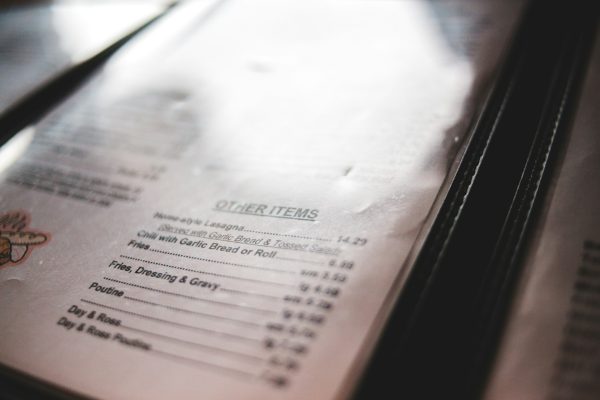
Most digital menus simply replicate a printed menu on a screen.
They show dish names, prices, and short descriptions, but they rarely help customers make better choices.
A static menu cannot:
Suggest dishes that complement each other
Recommend alternatives if two items are very similar
Help first-time customers explore unfamiliar cuisine
Encourage thoughtful meal combinations
In other words, a static menu cannot replicate what a knowledgeable server does naturally.
The Rise of Smart Menu Recommendations
To solve this problem, some restaurants are beginning to use smart digital menus that guide customers through the ordering process.
Instead of simply listing dishes, these menus can recommend items based on what the customer has already selected.
For example:
If a customer adds a grilled chicken dish, the system might suggest:
A complementary curry
A popular bread like naan
A rice dish that pairs well with it
If the customer chooses two similar items, the system can suggest an alternative to create more variety in the meal.
These recommendations replicate the kind of guidance a server would normally provide in a dining room.
How AI Can Help Customers Choose the Right Dishes
Artificial intelligence can take these recommendations even further.
AI-powered restaurant menus can analyze ordering behavior and identify patterns such as:
Which dishes are frequently ordered together
Which combinations customers enjoy most
Which items are often overlooked but pair well with popular dishes
Using this information, the system can provide real-time suggestions that help customers build a better meal.
For customers, this makes the ordering process easier and more enjoyable.
For restaurants, it helps:
Improve the ordering experience
Increase average order value
Introduce customers to more items on the menu
Ready to serve smarter menus?
Get in touch
Bringing the Restaurant Waiter Into Online Ordering
In many ways, the biggest challenge with online ordering is the loss of human guidance.
Great servers don’t just take orders—they help customers navigate the menu, discover new dishes, and create satisfying meals.
The next evolution of restaurant technology is bringing that guidance back into the digital experience.
Instead of leaving customers to figure out complex menus on their own, smart ordering systems can act like a digital waiter, offering suggestions and helping diners make better choices.
Helping Customers Order Better Meals
As takeaway and pickup orders continue to grow, restaurants need to rethink how their menus work online.
Simply putting a menu on a website is no longer enough.
Restaurants that help customers understand their menu, discover new dishes, and create better meal combinations will stand out in an increasingly competitive food landscape.
Tools like AI-powered smart menus make it possible to guide customers even when they are ordering remotely.
When customers receive better recommendations, they enjoy their meals more—and restaurants benefit from higher order values and stronger customer loyalty.
Frequently Asked Questions About Increasing Check Size in Restaurants
How can restaurants increase average check size without being pushy?
The key is improving decision clarity rather than training staff to “sell more.” When guests understand what pairs well, what’s popular, or what fits their preferences, they naturally add items. Smart digital menus and contextual recommendations increase check size without scripted upselling.
What is the best way to upsell in a restaurant?
The most effective upselling happens at the right moment in the guest journey before ordering (pairings), mid-meal (additional drinks), and post-meal (dessert or coffee). Timing matters more than aggressive language. AI-assisted menus help surface relevant add-ons without relying entirely on staff memory.
Do QR code menus increase average order value?
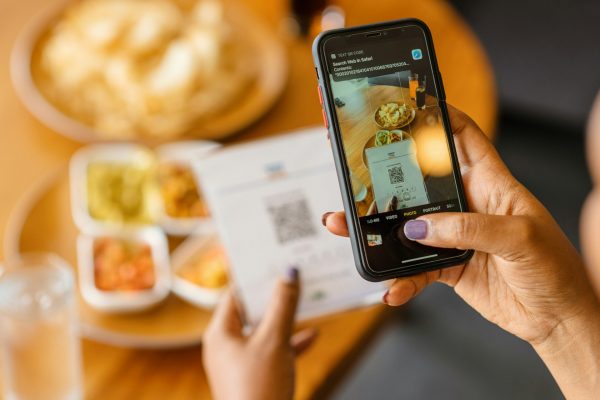
Standard QR menus digitize the menu but don’t automatically increase order value. Check size increases when digital menus include smart recommendations, pairing suggestions, and guided decision support. Without that intelligence layer, QR menus are simply digital PDFs.
How do you train servers to upsell without annoying guests?
Instead of training staff to push higher-priced items, train them to recommend based on guest preferences. Suggesting “what goes well with this” works better than “would you like to upgrade?” Technology can support this by nudging staff with context-specific suggestions.
What items should restaurants focus on to increase check size?
High-margin add-ons typically drive the biggest lift:
Beverages (cocktails, wine, specialty drinks)
Appetizers for sharing
Premium upgrades (protein swaps, add-ons)
Desserts and coffee
Strategic pairing suggestions around these items consistently improve average check.
Does AI actually help increase restaurant revenue?
AI helps when it reduces friction in decision-making. By answering menu questions, surfacing relevant pairings, and supporting staff in real time, AI systems can increase average order value without increasing operational complexity.
Is it better to raise prices or increase check size?
Raising prices risks guest perception and repeat visits. Increasing check size through add-ons and better decision guidance improves revenue without altering base pricing making it a more sustainable growth lever.