Many small restaurants assume they need delivery platforms like Uber Eats or DoorDash to accept online orders. In reality, restaurants can take orders directly from customers using digital menus or QR code ordering systems and then decide how those orders are fulfilled. This guide explains how small restaurants can set up online ordering without relying …

For many small restaurants in the U.S., delivery apps like Uber Eats and DoorDash feel like the only way to accept online orders.
These platforms make it easy to reach customers and offer built-in delivery drivers. But they also come with a major drawback: high commissions. Many restaurants pay 20–30% of every order to delivery marketplaces. Over time, those fees can significantly reduce already thin restaurant margins.
The good news is that restaurants don’t actually need a delivery marketplace to start taking online orders. With the right setup, even small family-run restaurants can accept orders directly from customers and decide how those orders are fulfilled.
Understanding how online ordering works is the first step.
Why Many Small Restaurants Rely on Delivery Apps
Delivery apps became popular because they solved two problems at once: online ordering and delivery logistics.
Platforms like Uber Eats and DoorDash allow customers to browse restaurants, place orders, and have those orders delivered by a network of drivers. For restaurant owners who don’t have their own delivery systems, this convenience can be appealing.
However, relying entirely on these marketplaces has trade-offs.
Restaurants often face:
High commission fees on every order
Limited control over customer relationships
Increased competition with other restaurants on the same platform
Pressure to raise menu prices to cover delivery costs
For many small restaurants, the commissions eventually become the biggest challenge.
Online Ordering and Delivery Are Two Different Things
One of the most common misconceptions among restaurant owners is that online ordering and delivery are the same thing. In reality, they are two separate parts of the process.
Step 1: Accepting the order
This includes the system customers use to browse the menu and place an order. Examples include:
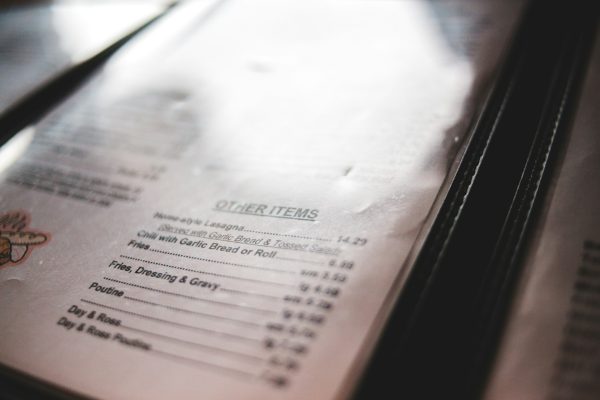
A digital menu on the restaurant’s website
QR code ordering from tables or packaging
A direct ordering link shared on social media
Step 2: Fulfilling the order
Once the order is placed, the restaurant decides how it will be fulfilled. This could include:
Customer pickup
Delivery by the restaurant’s own driver
Delivery through a courier service
Delivery apps combine both steps into a single system. But restaurants can choose to manage the ordering step themselves while deciding separately how delivery should work.
This approach gives restaurants much more flexibility and control.
How Small Restaurants Can Accept Online Orders Directly
Setting up direct online ordering is simpler than many restaurant owners expect. Instead of relying on a marketplace, the restaurant provides a digital menu that allows customers to place orders directly.
A typical ordering flow looks like this:
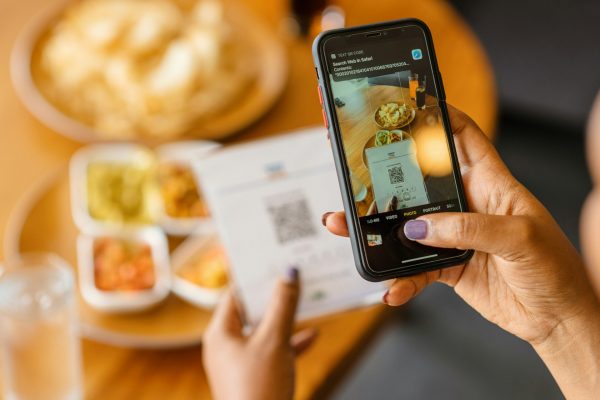
The customer scans a QR code like chocochip.ai for your restaurant’s menu or opens the restaurant’s ordering link
The customer browses the digital menu
The customer places an order
The restaurant receives the order instantly
At that point, the restaurant can prepare the food and decide whether the order will be picked up or delivered.
This model works especially well for restaurants that already have a strong local customer base.
Where QR Code Ordering Fits In
QR codes have become one of the easiest ways for restaurants to offer online ordering without building complex systems.
Restaurants can place QR codes in several locations:
On dining tables
On takeaway packaging
On flyers or receipts
On the restaurant’s front window
On social media profiles
When customers scan the QR code, they are taken directly to the restaurant’s digital menu. From there, they can browse items, read descriptions, and place an order.
This approach allows restaurants to accept orders from both dine-in and takeaway customers using the same system.
How Restaurants Can Handle Delivery Without Delivery Apps
Even if a restaurant does not rely on large delivery marketplaces, it can still offer delivery through several practical options.
Pickup Orders
Pickup orders are often the most profitable option for small restaurants. Customers place the order online and simply collect the food from the restaurant when it’s ready.
Many restaurants encourage this option by offering pickup discounts or faster preparation times.
Restaurant-Managed Delivery
Some restaurants operate their own delivery systems using staff or dedicated drivers. This approach works particularly well for restaurants that serve nearby neighborhoods and already receive frequent delivery requests.
Because there are no marketplace commissions involved, the restaurant keeps a much larger share of each order.
Courier Services
Another option is to use courier services that provide drivers without acting as a marketplace. Services like Uber Direct allow restaurants to request delivery drivers when needed, without listing the restaurant in a marketplace app.
This allows restaurants to offer delivery while still accepting orders directly from their own menu.
Why Many Small Restaurants Prefer Direct Ordering
More restaurants are exploring direct ordering because it provides several advantages.
Lower Fees
Instead of paying high marketplace commissions, restaurants only pay for the software that powers their online ordering system.
This makes each order significantly more profitable.
Customer Ownership
When customers order directly from a restaurant’s menu, the restaurant owns the customer relationship. This allows restaurants to build repeat business and communicate directly with their regular customers.
Flexible Ordering Options
Direct ordering systems allow restaurants to offer multiple fulfillment options such as dine-in ordering, pickup, or delivery depending on what works best for their operations.
How Chocochip Helps Restaurants Accept Online Orders
Chocochip provides a digital menu and QR ordering system that allows restaurants to accept orders directly from customers.
Instead of routing orders through a marketplace, Chocochip sends orders straight to the restaurant. This gives restaurants full control over how those orders are fulfilled.
With Chocochip, restaurants can:
Create a mobile-friendly digital menu
Generate QR codes for tables and takeaway packaging
Accept orders directly from customers
Update menu items instantly
Answer common menu questions automatically
Because orders go directly to the restaurant, owners can decide whether the order will be picked up, delivered by their own driver, or handled through a courier service.
Ready to serve smarter menus?
Get in touch
A Simple Setup for Small Restaurants
Getting started with direct online ordering does not require complex technology. Most restaurants can set up a digital ordering system in just a few steps.
Upload the restaurant menu
Generate a QR code or ordering link
Share the link with customers
Start receiving orders directly
This makes it possible for even small family-run restaurants to offer online ordering without depending entirely on large delivery marketplaces.
FAQ: Online Ordering for Small Restaurants
Can restaurants accept online orders without delivery apps?
Yes. Restaurants can use digital menus or QR code ordering systems to accept orders directly from customers. Delivery can then be handled separately through pickup, in-house drivers, or courier services.
What is the cheapest way for restaurants to offer online ordering?
The most affordable approach is often a direct ordering system that allows customers to place orders through the restaurant’s own menu, avoiding marketplace commissions.
Can QR code menus accept orders?
Yes. Some QR code menu systems like chocochip.ai allow customers not only to view the menu but also to place orders directly from their phones.
Do small restaurants need their own delivery drivers?
Not necessarily. Restaurants can offer pickup, use their own drivers, or partner with courier services depending on their needs.