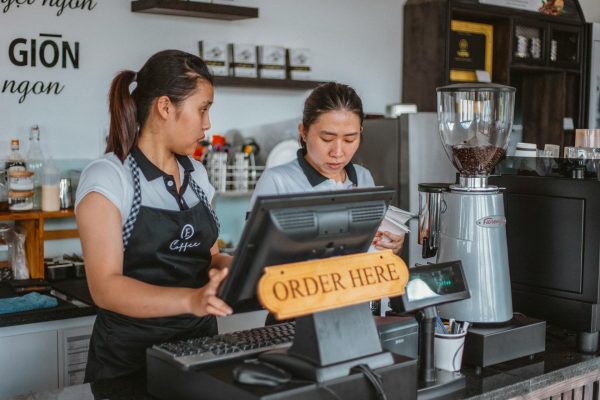
With margins tightening across the industry, increasing check size during service has become a critical growth lever for restaurants without raising prices or pushing guests.

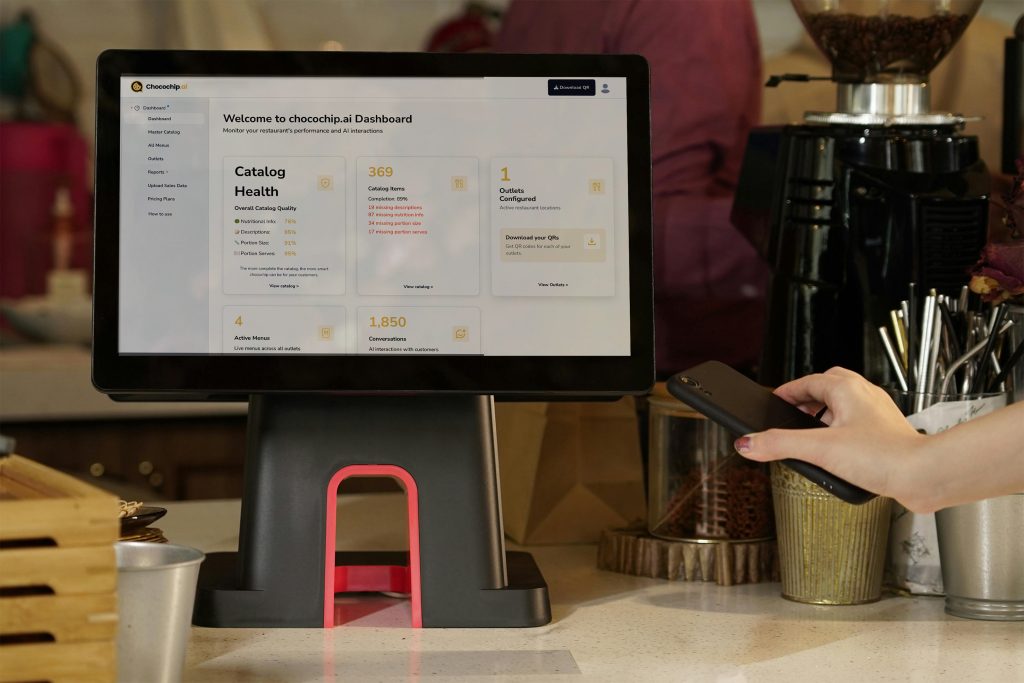
Most restaurants try to grow revenue by increasing footfall or raising prices. But there’s a more immediate, controllable lever hiding in plain sight: increasing check size during service. With rising labor and food costs continuing to pressure margins, something the National Restaurant Association frequently highlights in its industry reports: optimizing the guest decision moment at the table has become more important than ever.
This is the third lever hiding in plain sight: Increasing check size during service. When restaurants guide decisions with clarity instead of pressure, average check size naturally rises without discounts, scripts, or awkward upselling.
But through context-aware, guest-friendly nudges delivered at exactly the right moment.
This is where chocochip.ai fundamentally changes how restaurants think about selling.
The Problem With Traditional Upselling
Let’s start with an uncomfortable truth.
Most upselling fails not because staff don’t try but because the system is broken.
What usually goes wrong
Servers are busy → upsells get skipped
New staff don’t know what to recommend
Guests feel sold to instead of helped
Recommendations are generic (“Would you like fries with that?”)
Upsells happen too early or too late
As a result:
Add-ons feel transactional
Servers hesitate to suggest premium items
Managers rely on training instead of real-time support
Upselling becomes work, not service.
Reframing the Goal: From “Upsell” to “Better Decisions”
The best-performing restaurants don’t sell more.
They help guests decide better.
When guests feel confident about:
what to order
what pairs well
what others enjoy
what fits their preferences
…they naturally spend more.
This shift from persuasion to clarity is the core philosophy behind chocochip.ai.
What Actually Increases Check Size During Service
Let’s break down the real drivers of higher checks while the guest is already seated.
1. Decision Simplicity Beats More Choices
Large menus don’t increase spend; instead they increase hesitation.
When guests hesitate, they default to:
familiar items
mid-priced options
skipping sides or drinks
Chocochip.ai dynamically surfaces:
top-recommended items
staff favorites
popular pairings
This reduces cognitive load and confident guests spend more.
2. Timing Matters More Than Scripts
An upsell offered at the wrong time feels intrusive.
Chocochip.ai works during service to support:
pre-order suggestions (pairings, upgrades)
mid-meal nudges (drinks, sides)
post-meal moments (desserts, coffee)
Not all at once.
Not randomly.
Only when it feels natural.
This alone unlocks meaningful check-size lift without adding pressure on staff.
The “Invisible Selling” Effect
The highest-impact selling doesn’t feel like selling at all.
Chocochip.ai enables what we call invisible selling:
Guests explore options at their pace
Recommendations are framed as help, not tactics
Language matches how real guests think
For example:
“Goes well if you like smoky flavors”
“Most ordered with this dish”
“Lighter option if you’re sharing”
These micro-cues subtly guide decisions without a single verbal pitch.
How AI Changes the Game (Beyond Digital Menus)
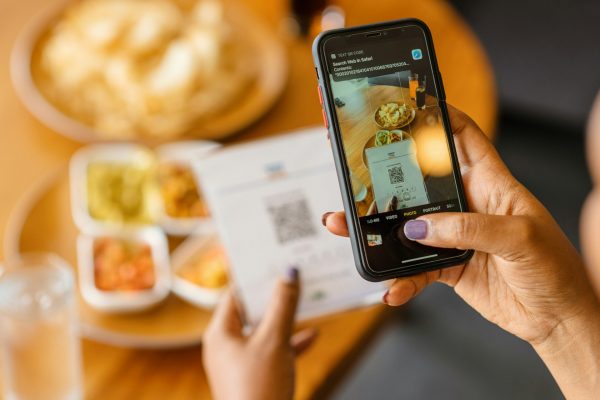
Most QR menus stop at digitization.
Chocochip.ai goes further by acting as a real-time decision layer between:
the menu
the guest
the server
What that means in practice:
Staff get nudges, not scripts
Guests get context, not clutter
Managers get consistency, not guesswork
Instead of hoping servers remember what to recommend, the system remembers for them.
Real-World Check Size Levers Chocochip Unlocks
Here’s how restaurants practically increase average checks during service:
1. Smart Pairings
Mains → recommended drinks
Starters → ideal sharing add-ons
Desserts → coffee or digestifs
Pairings are shown only when relevant, not upfront overload.
2. Premium Without Pressure
Instead of “upgrade for ₹80,” guests see:
“Chef-recommended cut”
“More indulgent option”
“Best for sharing”
Premium choices feel intentional, not forced.
3. Dietary & Preference-Based Discovery
Guests often skip add-ons because they’re unsure:
Is it too heavy?
Is it spicy?
Will it match my diet?
Chocochip.ai surfaces clarity around:
allergens
spice levels
dietary preferences
When uncertainty drops, confidence (and spend) rises.
Ready to serve smarter menus?
Get in touch
Why This Works for Staff (Not Against Them)
A critical insight: check size only grows sustainably if staff are comfortable.
Chocochip.ai:
removes the pressure to “sell”
supports new or temporary staff
keeps recommendations consistent across shifts
Servers stay focused on hospitality.
The system handles guidance.
The result?
Higher checks and better service.
The Compounding Effect Over Time
Increasing check size isn’t about one big jump.
It’s about small, repeatable gains:
one extra drink
one shared side
one dessert added
When done consistently across:
every table
every shift
every outlet
The revenue impact compounds—without increasing footfall or costs.
Why Chocochip.ai Is Different
Most tools ask: “How do we sell more?”
Chocochip.ai asks: “How do we help guests choose better during service?”
That subtle shift changes everything.
From upselling → guidance
From training → real-time support
From pressure → clarity
And when guests feel guided, not sold to, they naturally spend more.
If you want to increase check size:
don’t start with promotions
don’t start with scripts
don’t start with discounts
Start with decision clarity at the table.
That’s where Chocochip.ai operates quietly, intelligently, and profitably.
During service is where revenue is won or lost.
Chocochip.ai ensures you win without anyone feeling sold to.
Frequently Asked Questions About Increasing Check Size in Restaurants
How can restaurants increase average check size without being pushy?
The key is improving decision clarity rather than training staff to “sell more.” When guests understand what pairs well, what’s popular, or what fits their preferences, they naturally add items. Smart digital menus and contextual recommendations increase check size without scripted upselling.
What is the best way to upsell in a restaurant?
The most effective upselling happens at the right moment in the guest journey before ordering (pairings), mid-meal (additional drinks), and post-meal (dessert or coffee). Timing matters more than aggressive language. AI-assisted menus help surface relevant add-ons without relying entirely on staff memory.
Do QR code menus increase average order value?
Standard QR menus digitize the menu but don’t automatically increase order value. Check size increases when digital menus include smart recommendations, pairing suggestions, and guided decision support. Without that intelligence layer, QR menus are simply digital PDFs.
How do you train servers to upsell without annoying guests?
Instead of training staff to push higher-priced items, train them to recommend based on guest preferences. Suggesting “what goes well with this” works better than “would you like to upgrade?” Technology can support this by nudging staff with context-specific suggestions.
What items should restaurants focus on to increase check size?
High-margin add-ons typically drive the biggest lift:
Beverages (cocktails, wine, specialty drinks)
Appetizers for sharing
Premium upgrades (protein swaps, add-ons)
Desserts and coffee
Strategic pairing suggestions around these items consistently improve average check.
Does AI actually help increase restaurant revenue?
AI helps when it reduces friction in decision-making. By answering menu questions, surfacing relevant pairings, and supporting staff in real time, AI systems can increase average order value without increasing operational complexity.
Is it better to raise prices or increase check size?
Raising prices risks guest perception and repeat visits. Increasing check size through add-ons and better decision guidance improves revenue without altering base pricing making it a more sustainable growth lever.