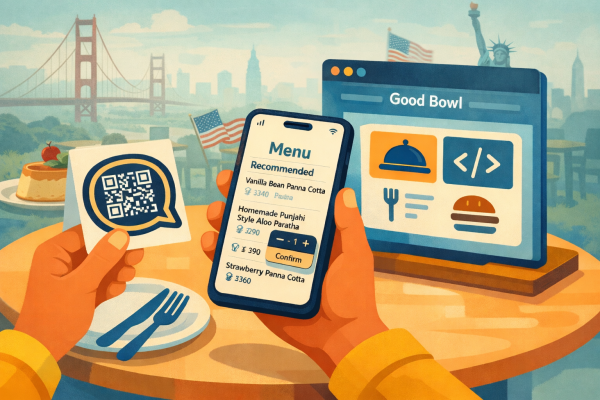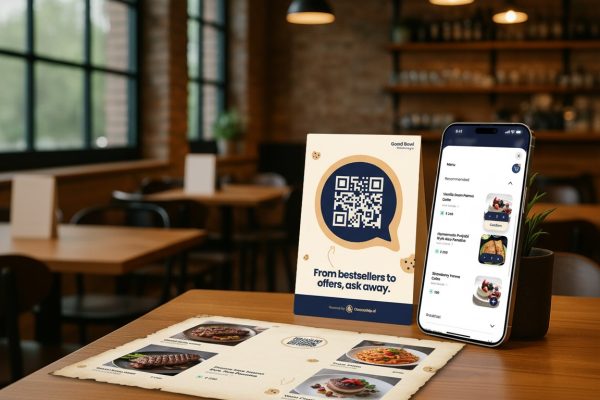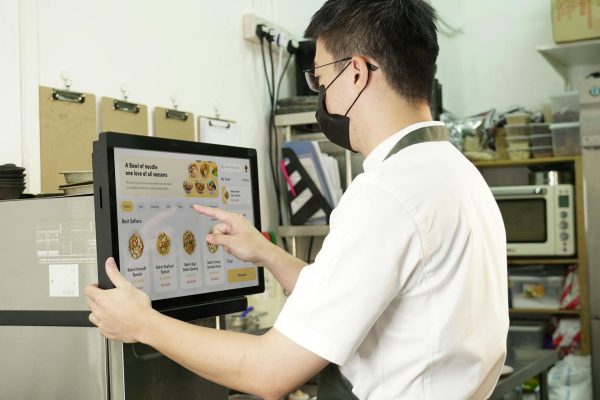
Menu changes could be driven by a mix of sales data, chef sentiment, and manager feedback. The days of relying on intuition for menu engineering are over, thanks to AI. This article will explore how Chocochip.ai uses conversational data from guest interactions to provide crystal-clear insights on what your customers actually want, allowing you to confidently …

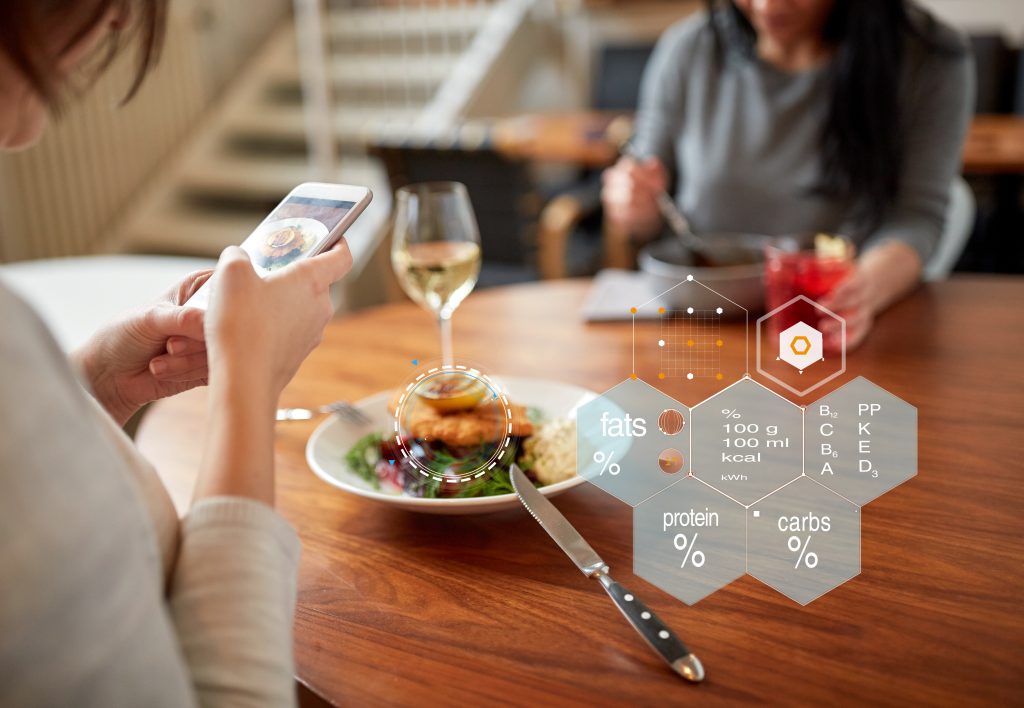
Menu changes could be driven by a mix of sales data, chef sentiment, and manager feedback. The days of relying on intuition for menu engineering are over, thanks to AI. This article will explore how Chocochip.ai uses conversational data from guest interactions to provide crystal-clear insights on what your customers actually want, allowing you to confidently add, remove, or optimize your menu items for maximum profit and guest satisfaction. The true power lies in the fusion of this next-generation AI data with the foundational, time-tested principles of traditional menu engineering, creating a strategy that is both highly profitable and deeply personalised.
The Problem with Traditional Menu Decisions
Tired of playing the guessing game with your restaurant menu, wondering which dish is a hidden gem and which is just taking up space? Here are the three major blind spots that prevent truly optimized menu performance.
- Sales Data is Limited: Your POS system tells you what was bought, but not why it was bought, or, more importantly, what the customer almost bought but couldn’t find. It only tracks successful transactions, ignoring the vast dataset of lost opportunities. The raw quantity of sales does not articulate the effort required to sell an item or the customer’s true desire.
- Lack of Intent: You don’t know the customer’s inherent intent or underlying preference. Were they specifically looking for a vegan item? A low-carb option after a fitness class? Something intensely spicy to challenge their palate? The POS goes mute on these crucial details, treating every sale as an identical data point. Without understanding the intent, adjustments to the menu are merely shots in the dark.
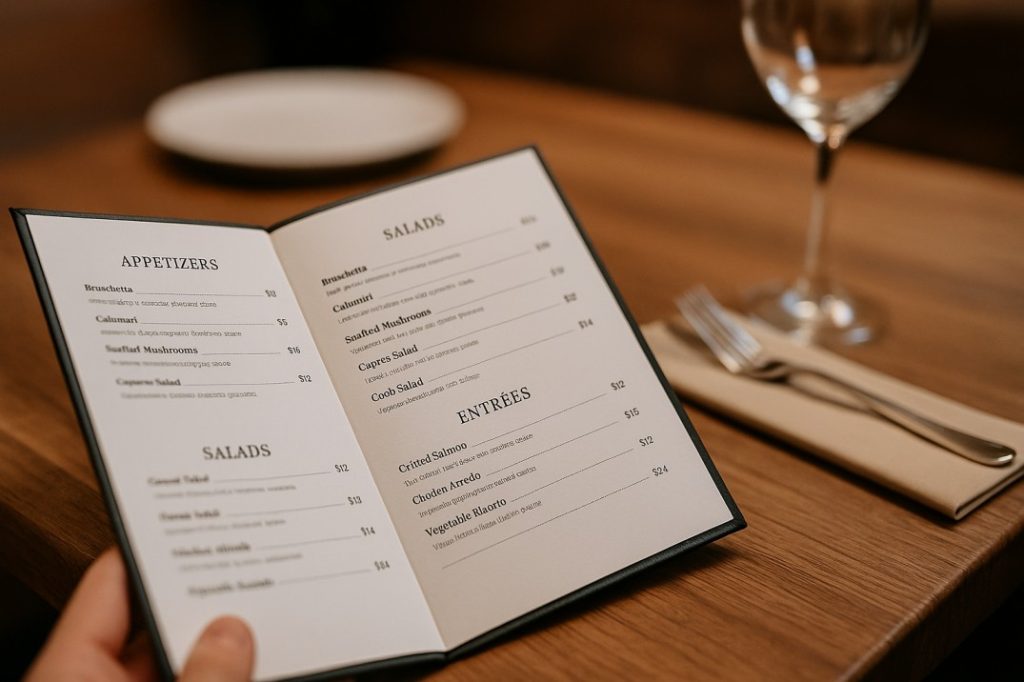
- The “Never Asked” Dilemma: How do you definitively know if a dish is genuinely unpopular, or if customers just can’t find it on a cluttered, poorly described menu? You might mistakenly cut a dish that customers simply couldn’t locate or didn’t understand the description of, or conversely, keep an item that no one ever asks about, leading to wasted inventory, food spoilage, and lost profit opportunities.
These gaps mean relying purely on traditional sales metrics is a fundamentally incomplete approach to menu management.
“Does the carbonara contain gluten?”
“How spicy is the arrabbiata sauce?”
Chocochip.ai: The AI-Powered Conversational Menu
Chocochip.ai solves the limitations of static data by introducing a dynamic, conversational menu that turns the ordering process into an enriching data-gathering exercise. Guests don’t just scroll through a static list; they interact with the menu via a sophisticated chat interface powered by decision-making questions, effectively providing a real-time, personalized focus group for your menu items.
Uncovering Guest Preferences Through Chat
When a guest begins their ordering journey with Chocochip.ai, the AI immediately engages in a guided conversation designed to surface true preferences and intent. Instead of passively scrolling, a guest might type, “I’m looking for a hearty dinner that’s not too heavy.” The AI responds with structured, decision-making questions based on learned menu logic: “Are you looking for poultry, beef, or a vegetarian option?” or “Do you prefer spicy or savory flavors tonight?” This structured interaction ensures the AI quickly and efficiently narrows the universe of options down to the most relevant handful. These conversational steps help Chocochip understand the “why” of customers ordering what they order—their dietary intent, specific flavor profile preference, desired portion size, and even their current mood (e.g., “comfort food” vs. “light meal”). The AI processes these rich inputs to recommend the perfect dish, making it easy for people to order better, quicker. This direct, guided interaction eliminates the stress of choice overload by narrowing down options to only the most relevant items, maximizing satisfaction and minimizing order regret.
Personalized Future Interactions
The true, long-term power of this chat interaction lies in its memory and persistent learning. Every question asked, every preference stated, every ingredient flagged, and every final dish ordered is meticulously recorded and tied to the guest’s profile. Based on this, future interactions are not only determined but become exponentially more personalized.
For a returning guest, the AI suggests a dish based on their past successful choices, such as, “Welcome back! Given your preference for our spicier vegetarian dishes, would you like to try the new Harissa Tofu Bowl?” or gently steer them away from an ingredient they previously flagged as a dislike, preventing a poor experience before it happens. This personalized experience—the feeling of being recognized and catered to—is the cornerstone of modern customer loyalty, driving repeat visits and higher average ticket sizes.
Menu Intelligence: What to Add, Remove, and Keep
The aggregated data from thousands of these conversational guest interactions provides the restaurant with unprecedented Menu Intelligence. This is the data that finally answers the fundamental questions of menu engineering:
Menu Decision |
Chocochip AI Data Insight |
|
What to Remove |
Items that are never asked about. The AI tracks which dishes or ingredients are never brought up in a search or preference question. This signals true lack of interest or confusion, making them prime candidates for removal. |
|
What to Add |
Regularly requested missing items. The AI logs common requests that it couldn’t fulfill or that forced a negative redirect. For instance, if customers frequently ask for a “gluten-free dessert” and the current menu only offers one, this is a clear data-backed signal to add a new gluten-free option. |
|
What to Keep |
Top conversation drivers. The AI highlights dishes that are the subject of the most questions (e.g., “Tell me more about the chef’s special”) but still result in a purchase. This indicates high engagement and interest, confirming the item is a menu favorite and worth keeping. |
|
What to Optimize |
Confusion points. If a specific dish is frequently asked about for clarification (e.g., “What exactly is in the aioli?”), it tells the restaurant that the current menu description is unclear and needs immediate improvement. |
The Unbreakable Foundation: Integrating AI with Menu Engineering Metrics
While Chocochip.ai provides the crucial why and intent data, the classic discipline of Menu Engineering (ME) remains the most effective framework for the how—how to categorize items by performance and how to apply high-impact actions. By comparing your POS data against the menu, you can decide what are your Star Performers, Plowhorses, Puzzles, and Dogs. The AI’s conversational intelligence then supercharges the action plan for each category.
The Menu Engineering Matrix: AI-Enhanced Decisions
Menu Engineering (ME) groups every dish into four categories based on two metrics: Profitability (Margin) and Popularity (Volume). Chocochip.ai’s conversational data supercharges the action plan.
Category |
Definition |
Traditional Action |
AI-Enhanced Action (The Chocochip Edge) |
| ⭐ Stars | High Margin, High Volume (Your undisputed champions) | Protect them; ensure prime placement. | AI confirms Star status by tracking if they are Top conversation drivers. It flags minor requested modifications (e.g., “grilled vs. fried”), providing a blueprint for launching successful, high-margin companion dishes. |
| ❓ Puzzles | High Margin, Low Volume (Profitable, but not selling) | Increase visibility; try to upsell. | AI uncovers the friction point (e.g., confusing name). It creates targeted server scripts based on customer intent to confidently recommend the Puzzle item, boosting sales without price cuts. |
| 🐴 Plowhorses | Low Margin, High Volume (Crowd-pleasers; low profit) | Cautiously raise the price; reduce portion size. | AI determines price sensitivity by tracking conversation intent. If guests ask about value, increasing the price is risky. If they only ask about ingredients, the AI gives a green light for a cautious price hike (Pointer #4). |
| 🐕 Dogs | Low Margin, Low Volume (Non-performers) | Remove them from the menu immediately. | AI provides irrefutable confirmation by tracking dishes that are never asked about in conversation. It can also suggest repurposing usable Dog components (like a sauce) into a more profitable Star dish. |
The fusion of traditional POS data (the ‘what’) and Chocochip.ai’s conversational data (the ‘why’) gives you a complete, high-performance menu strategy.
The Holistic Menu Strategy: Data-Driven Optimization
By checking what the customers ask for regularly, what they can add to their menu, and what’s the item that’s never asked about, restaurants move from intuition-based adjustments to data-driven decision-making. This detailed conversational analysis, when fused with the proven structure of Menu Engineering, helps your restaurant maintain a lean, highly profitable menu that perfectly aligns with your customer base’s actual desires and your financial goals. Stop guessing, stop relying on half the story from your POS, and let your customers’ conversations and AI-powered insights guide your growth. The combination of POS data (the ‘what’) and Chocochip.ai conversational data (the ‘why’) is the ultimate formula for a future-proof, high-performance menu. Sign up today for a demo and discover how this powerful technology is helping restaurants just like yours serve faster, sell more, and keep guests coming back for more.
Try Chocochip Smart QR Menu
Transform your static PDF or paper menu into an interactive digital experience. Real-time updates, instant recommendations, and staff nudges, all set up faster than brewing a pot of coffee.
Tags:#aichatbot